
FAST FACTS
9:1
Student to Teacher Ratio
Students receive individualized attention and differentiated learning
10.7%
Above District Average SAT Scores
Our SAT average is higher than the averages of our surrounding districts
95%
College
Placement
95% of our graduates attend four-year colleges & universities

Academics

Our Junior Kindergarten and Kindergarten programs provide a nurturing learning experience for children ages four and five. Activities encourage creativity, exploration and discovery in a developmentally appropriate learning environment. There is a strong emphasis on guiding students towards independence and developing a sense of community in a loving Christian atmosphere.
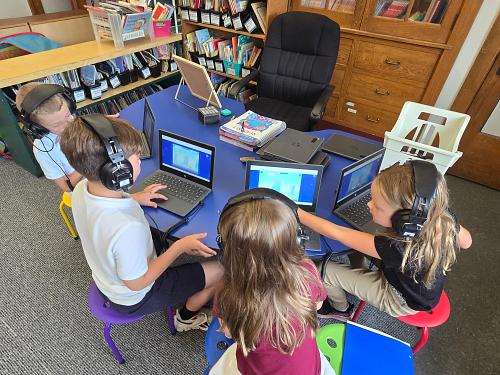 Students in grades K through 5 participate in a highly-academic, Christ-centered education. Students are encouraged to collaborate, and create through hands-on projects using technology, and engaging materials, designed to help them grow in all areas of life – academically, spiritually, and socially. Loving Christian teachers guide students in character growth and seeing God in everything, as they teach about His wonderfully integrated creation from a biblical worldview.
Middle School at The King’s Academy encompasses grades 6-8. We take an intentional approach to continuing character development while focusing on promoting independence spiritually, academically and socially. Taught by passionate teachers, our middle school model is designed to guide students into young adults with a Christ-centered worldview and an understanding of the importance of strong academic practices.
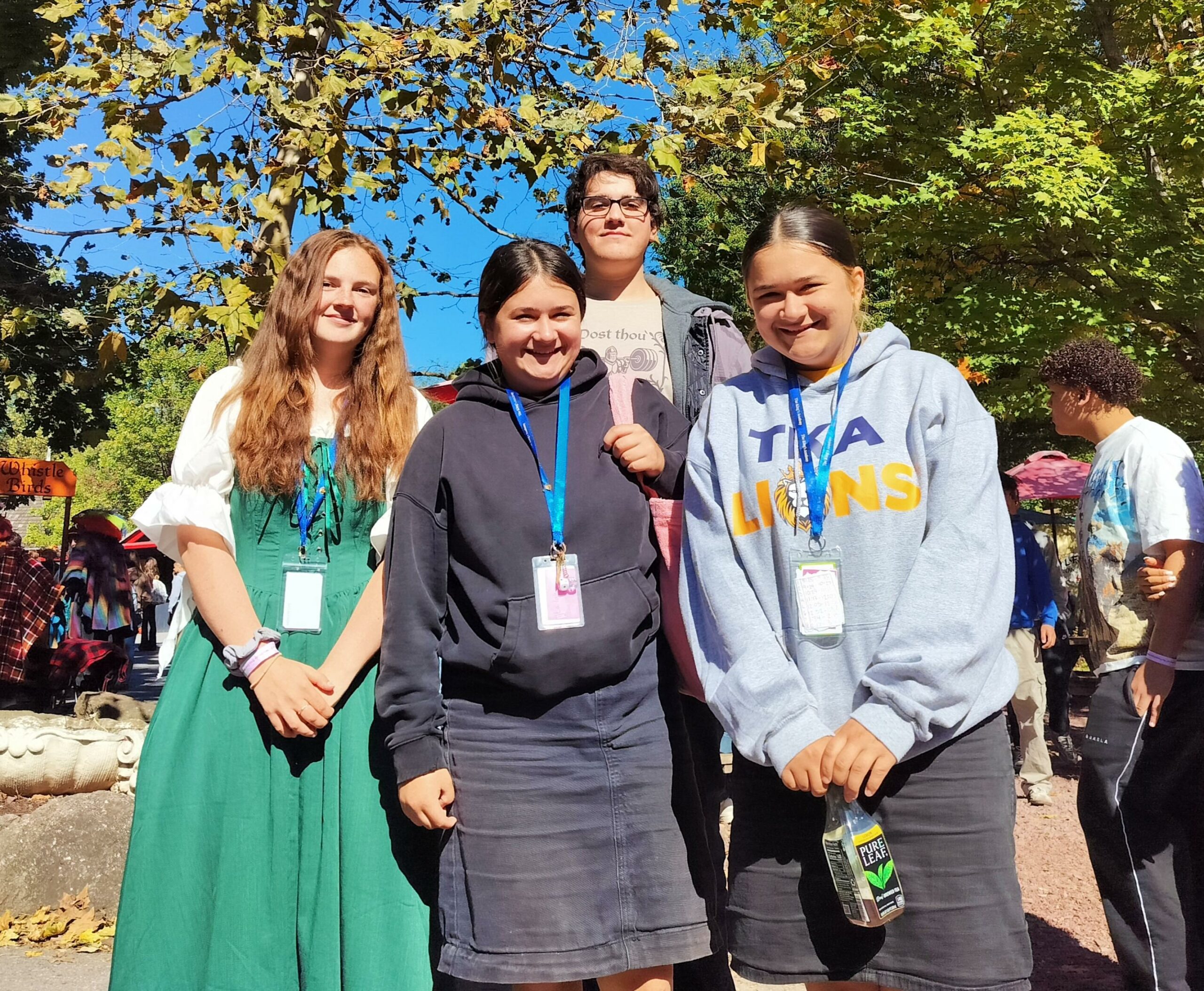
The King’s Academy high school curriculum was developed by our expert faculty and staff. Students obtain thorough instruction in a core liberal arts curriculum that emphasizes collaboration, effective writing and speaking, technology integration, critical thinking and creative thought. We also offer honors and advanced placement courses and electives designed to enhance the academic experience. Students who graduate from TKA are fully prepared to meet the rigors of college and adulthood while impacting our culture for Christ.
Academics
Early Learning
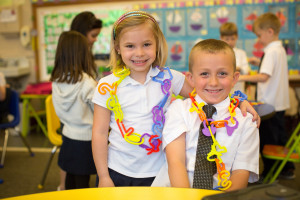
Our Junior Kindergarten and Kindergarten programs provide a nurturing learning experience for children ages four and five. Activities encourage creativity, exploration and discovery in a developmentally appropriate learning environment. There is a strong emphasis on guiding students towards independence and developing a sense of community in a loving Christian atmosphere.
Elementary
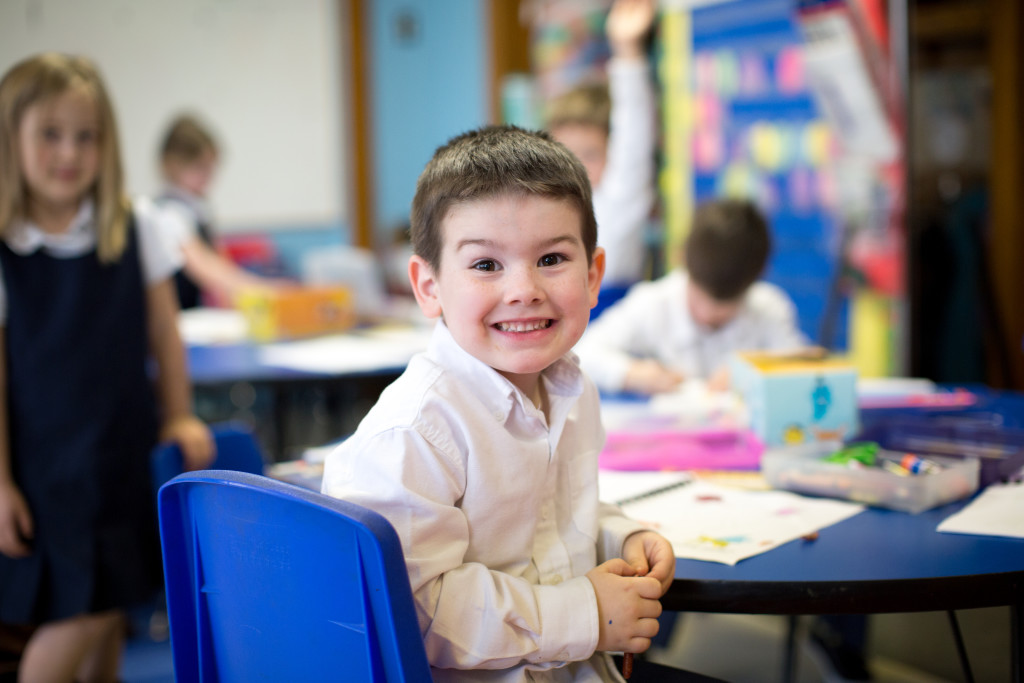
Students in grades K through 5 participate in a highly-academic, Christ-centered education. Students are encouraged to collaborate, and create through hands-on projects using technology, and engaging materials, designed to help them grow in all areas of life – academically, spiritually, and socially. Loving Christian teachers guide students in character growth and seeing God in everything, as they teach about His wonderfully integrated creation from a biblical worldview.
Middle School

Middle School at The King’s Academy encompasses grades 6-8. We take an intentional approach to continuing character development while focusing on promoting independence spiritually, academically and socially. Taught by passionate teachers, our middle school model is designed to guide students into young adults with a Christ-centered worldview and an understanding of the importance of strong academic practices.
Senior High
The King’s Academy high school curriculum was developed by our expert faculty and staff. Students obtain thorough instruction in a core liberal arts curriculum that emphasizes collaboration, effective writing and speaking, technology integration, critical thinking and creative thought. We also offer honors and advanced placement courses and electives designed to enhance the academic experience. Students who graduate from TKA are fully prepared to meet the rigors of college and adulthood while impacting our culture for Christ.
Support TKA
In August of 1998, The King's Academy committed to preparing children for life as Christian leaders. Through the faithfulness of God and the generosity of his people, The King's Academy has been able to impact thousands of students from Berks and Schuylkill counties. Giving to TKA is a tangible way to help make this possible.